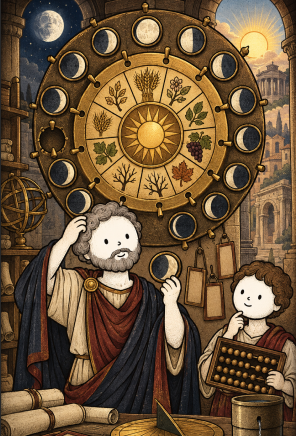
Why Our Calendar Makes No Sense
The ancient world tracks time using a 13-month calendar in perfect harmony with the moon. Then powerful rulers step in and rewrite reality—quietly erasing an entire month from history.

The ancient world tracks time using a 13-month calendar in perfect harmony with the moon. Then powerful rulers step in and rewrite reality—quietly erasing an entire month from history.
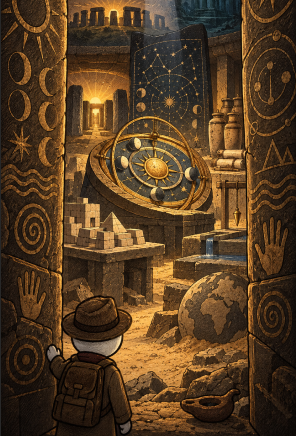
Ancient monuments across the globe hide star alignments and secret chambers sealed for thousands of years. We call them primitive ruins, but they are actually giant puzzles crafted to speak across time.
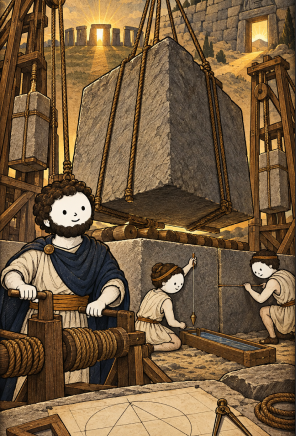
Entire stone cities rest on coral reefs and massive monoliths guard forgotten shores. History calls these ancient island cultures primitive, but their impossible engineering tells a far stranger story.
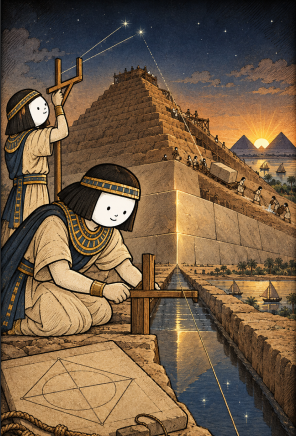
Over two million stone blocks align perfectly with stars as they appeared 12,000 years ago. Yet the Great Pyramid's greatest secret isn't what stands above the sand—it is what ground-penetrating radar just found buried beneath it.
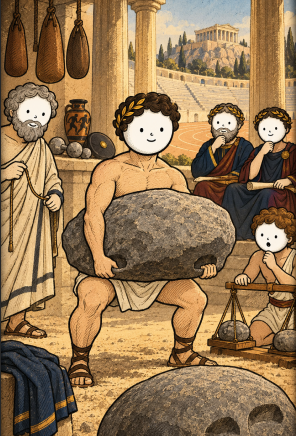
Modern strongmen rely on elite science to shatter world records. Yet 2,500 years ago, an ancient Greek allegedly lifted a half-ton boulder with zero gear—and carved the ultimate flex directly into stone.
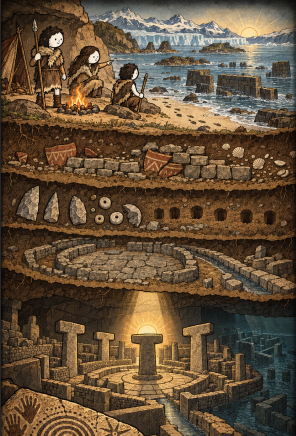
Long before empires exist, early hominids fight for survival in a brutal, untamed world. They leave no monuments behind—yet a single prehistoric breakthrough changes the trajectory of our species forever.
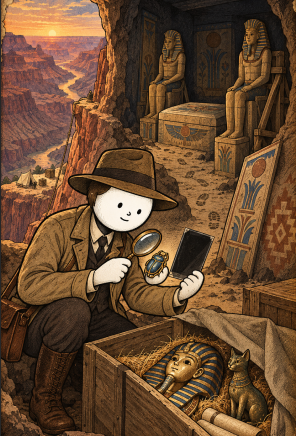
In 1909, a front-page headline claims explorers found ancient Egyptian tombs hidden inside the Grand Canyon. Then every official record vanishes into complete silence.
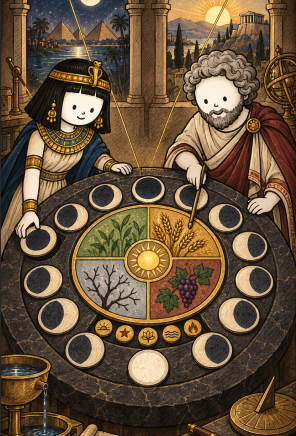
You live every year bound to a twelve-month calendar. Ancient civilizations know a secret—hiding a sacred thirteenth month completely outside of time.
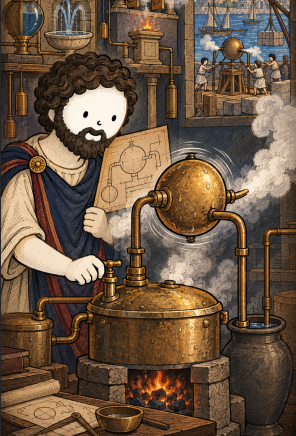
The Industrial Revolution is remembered as a modern breakthrough. Two thousand years ago in ancient Egypt, one forgotten genius was already engineering steam engines and automated machines.
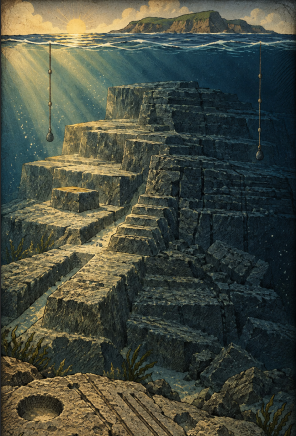
Deep off the coast of Japan lies a colossal underwater structure older than the pyramids of Egypt. Scientists insist ocean currents carved it, but its precise right angles suggest a forgotten history.